

The EU spent $6.9B on sovereign cloud infrastructure in 2025. This year, Gartner estimates that number will jump to $12.5B, a staggering 83% increase in less than a year. And if this isn’t enough already, that number is expected to double by next year. Worldwide sovereign cloud infrastructure as a service (IaaS) spending is forecast to total $80 billion in 2026.
But what’s actually driving this shift, and what does this mean for the IaaS industry as we know it today?
What is Sovereign Cloud?
Before we answer this question, let’s briefly define what Sovereign Cloud is to begin with. It’s important to understand that sovereign cloud isn’t one checkbox that you can tick for your organization. It is a spectrum that you can move along based on your position and requirements when it comes to regulation, compliance, and security to name a few.
SAP defines Sovereign Cloud as a model that has four pillars:
- Data sovereignty: Control over where your data resides and who can access it
- Technical sovereignty: Control over the technology stack and avoiding vendor lock-in
- Operational sovereignty: Control over how your cloud environment is operated and who can get access for maintenance
- Legal sovereignty: Ensuring data is subject to local jurisdiction and legal frameworks
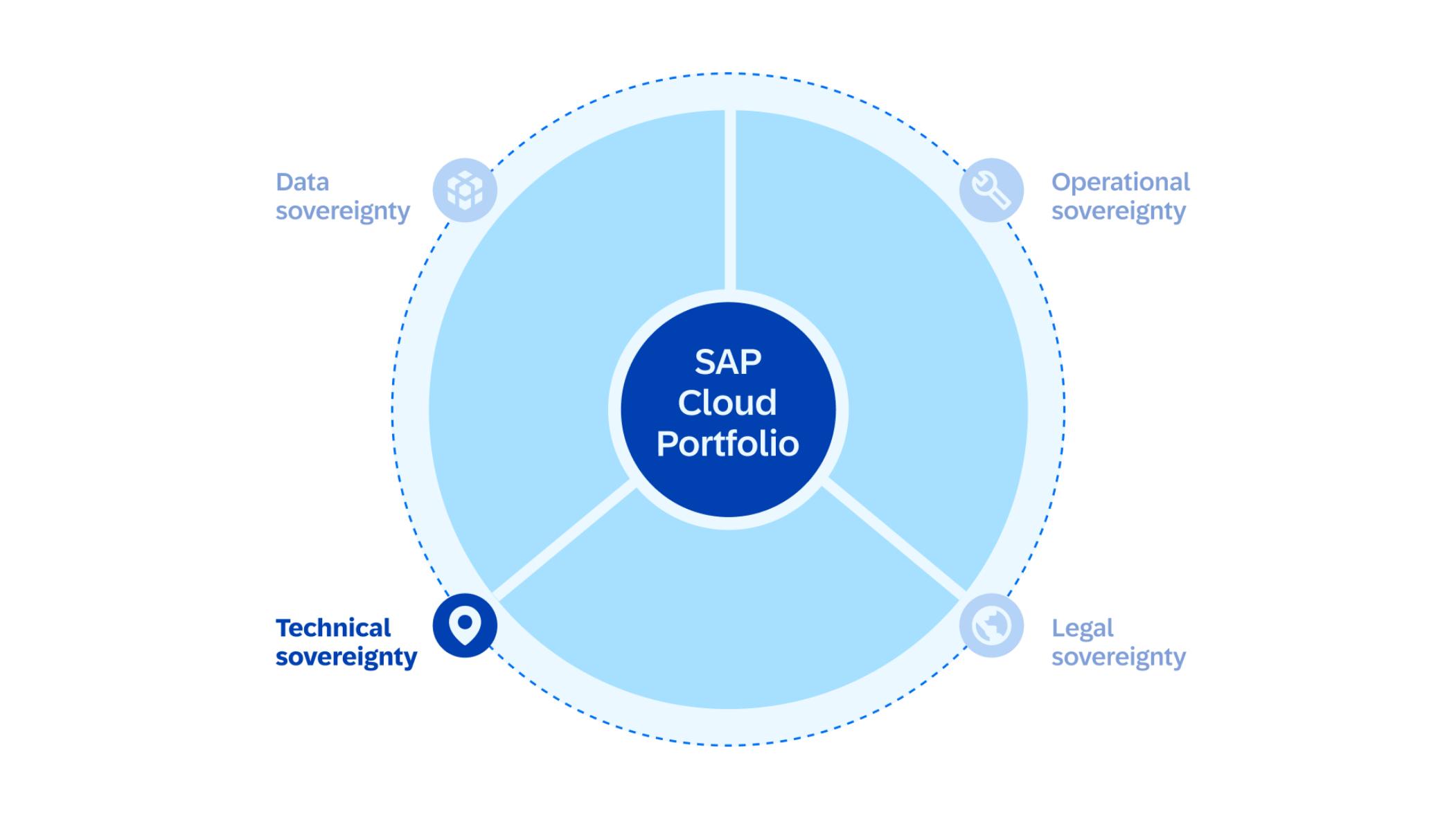
With this model, organizations have one of three options based on their needs, varying from total control running on owned infrastructure on-premise to running on new sovereign cloud offerings from hyper-scalers operated in accordance with local jurisdiction through partnerships like Delos Cloud.
| Model | Location of Data Storage | Infrastructure Operator | Degree of Sovereignty | Target Group | Special Features |
|---|---|---|---|---|---|
| SAP Cloud Infrastructure | EU (SAP Data Centers) | SAP | High (GDPR-Compliant) | Companies with high data protection requirements | Open source, fully EU-based |
| SAP Sovereign Cloud Onsite | Customer-Owned Data Center | SAP, on behalf of the customer | Very High (Full Control) | Critical infrastructures, authorities | Customer chooses location, highest control |
| Delos Cloud | Germany (Local) | SAP / Partner | Country-Specific Adapted | Public sector, federal requirements | Focus on German administrations |
The Factors Driving Adoption
What’s behind this explosive growth? It seems two fundamental fears are the primary driving factors for European enterprises toward sovereign cloud solutions.
1. The "Kill Switch" — Jurisdictional Risk
The ongoing war with Iran and the utter unpredictability that the current US administration has brought to the world from trying to seize Greenland, to nonsensical tariffs against top former US trade partners worldwide, to sanctions against numerous countries has made it clear to the Europeans: the future collaboration and dependence on US-based hyperscalers can’t continue.
The nightmare scenario for any organization now would be waking up one day to find their cloud provider has been ordered to suspend services. This isn’t hypothetical anymore. For European enterprises running mission-critical workloads on US-owned infrastructure, this represents an existential risk.
And the question isn’t whether it will happen to your organization, it’s whether you can afford the risk that it might. For regulated industries like finance, healthcare, and public sector, the answer is increasingly no.
2. The Weaponization of the CLOUD Act
The US CLOUD Act grants American authorities the power to demand data from US-based cloud providers regardless of where that data physically resides. Your data can be sitting in a Frankfurt data center, fully GDPR-compliant, and a US court order can still compel its disclosure.
The US CLOUD Act has been enacted and in effect since 2018. It’s only now that we are seeing the ramifications of such a law. The current growing uncertainty is what made companies move from ignoring such things to being terrified and compelled to find an alternative.
The Unpleasant Trade-offs: What Enterprises Need to Know
This new model changes the software industry as we know it, and unfortunately, not entirely in a good direction. Here is an example:
The End of "You Build It, You Run It"
In the software industry, the "You build it, you run it" motto was coined in 2006 by Werner Vogels, CTO of AWS, and has been the de facto standard for operations since then. Operational sovereignty breaks this model completely.
Teams based in Europe can no longer deploy and monitor solutions in regions outside the EU where they don’t have legal approvals to do so. What used to be one pipeline to build, test, and deploy anywhere in the world becomes a series of gated checkpoints where continuous integration is no longer permitted.
The Sovereignty Premium
True technical sovereignty means accepting alternative tech stacks from European sovereign cloud providers that don’t match the full functional breadth of hyperscalers. You get a narrower feature set at a higher price. A clear disadvantage of not having economies of scale.
Even sovereign cloud offerings from the hyperscalers come at a premium. BCG reports a 15-30% price increase over standard public cloud offerings. That’s before you factor in the operational overhead of managing sovereign-specific requirements.
Who Should Actually Consider This
I don’t think every organization needs sovereign cloud. I can think of multiple examples where organizations should at least consider the public cloud offering. For highly regulated industries like finance, healthcare, and public sector, sovereign cloud seems a must now. But if you are not one of these, then you are probably better off not moving onto a sovereign cloud solution.
Looking Ahead
The tricky part where I’m not sure how this will play out, is when businesses try to expand into new markets and move into new regions. Previously, this worked out of the box with the public cloud offering. Such ease of use actually enabled the current capitalistic system that we operate in. Currently, and in the very near future, the tech industry is increasingly moving into a fragmented reality governed by protectionist policies and short-term national interests.
What used to be tech decisions on the table of the CTO or CIO on which cloud provider to use, will now be a life-changing discussion in the boardroom. How companies and organizations will adapt to that remains to be seen.
What’s your organization’s approach to sovereign cloud? I’d be interested to hear how others are navigating these trade-offs.